The life of a games
A games is fourteen days long and takes about a decade.
This publication is organised the way a games actually happens. Not by sport, not by medal table — by phase. Start at the bid and read forward, or drop into the part you came for. The fortnight of competition sits about two thirds of the way down, which is roughly where it belongs.
- 01 · T−8 yearsBidWhat raising your hand actually commits a city to4 pieces
- 02 · T−5 yearsBuildWhat gets built, what gets borrowed, what comes down again4 pieces
- 03 · T±0The FortnightFourteen days, staffed and sequenced by people you never see5 pieces
- 04 · T+3 monthsHandbackThe kit goes back and the keys change hands4 pieces
- 05 · T+10 yearsAfterlifeWhat the city is actually left using5 pieces
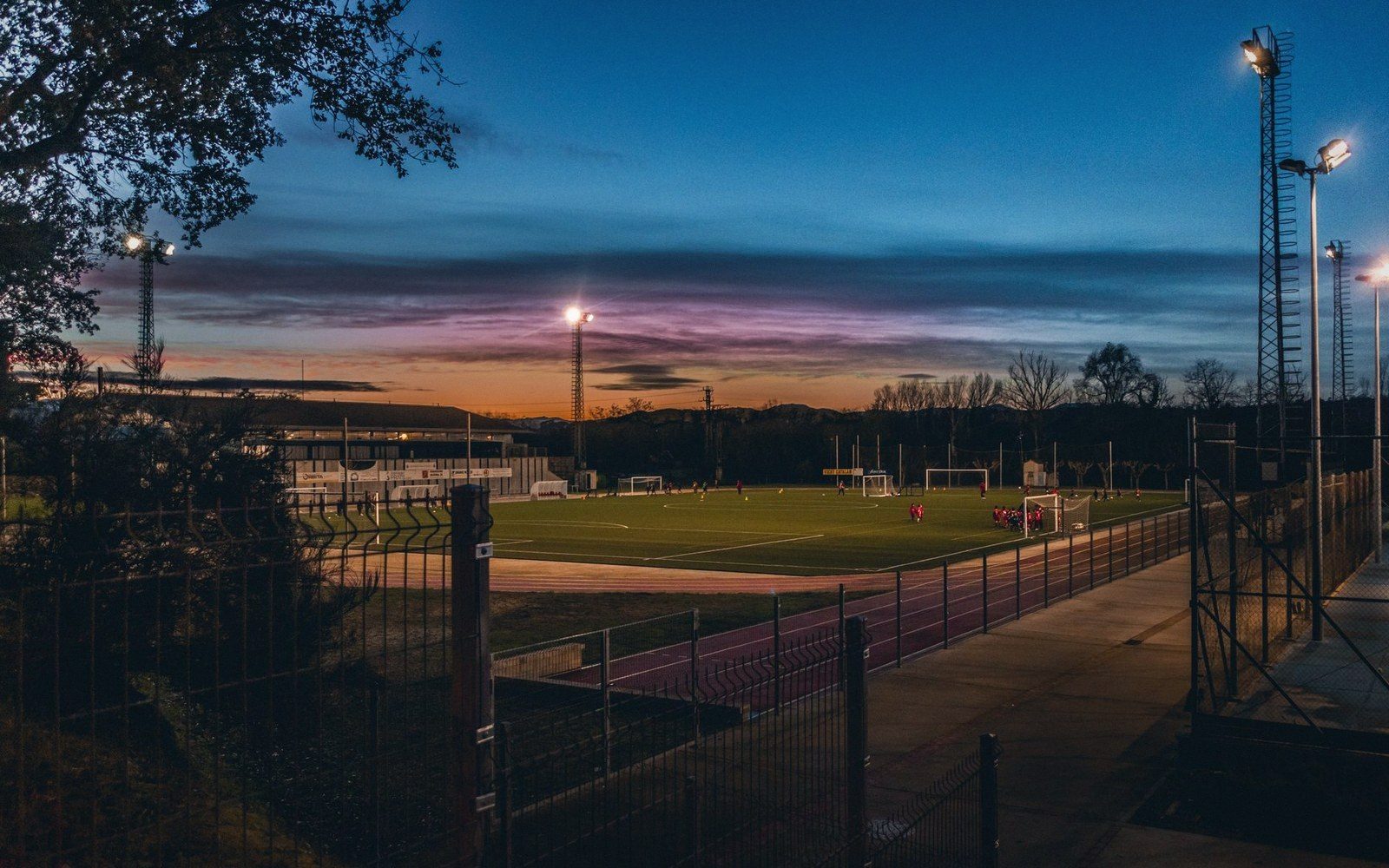
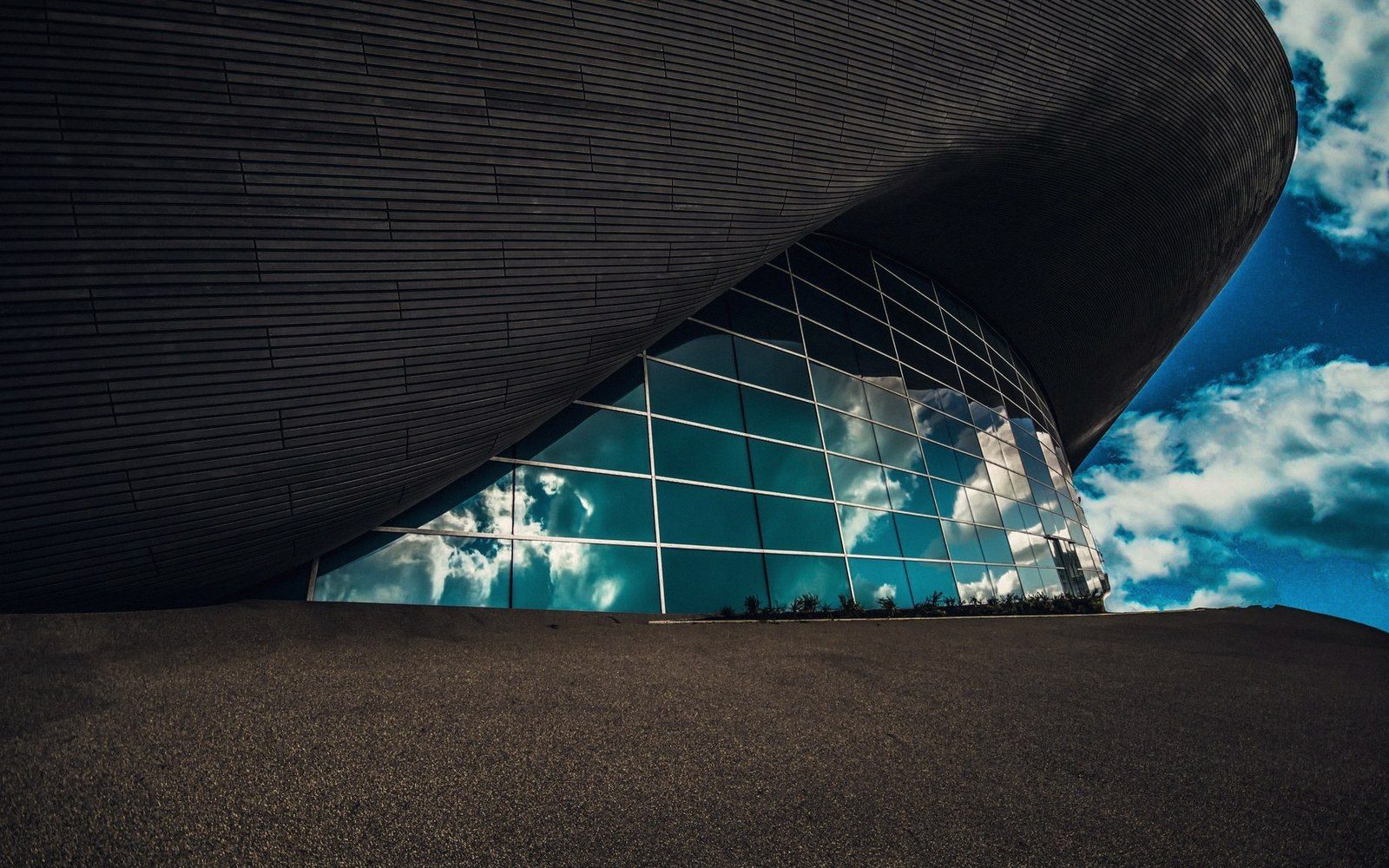
The long read · 05 Afterlife
Gwangju, Some Years Later
What a city is left with after the athletes go home — and what it chooses to do with it.
Read the case study4 pieces · Section index
What a city is actually committing to when it raises its hand — the mechanics of a Universiade bid and why some cities want one.
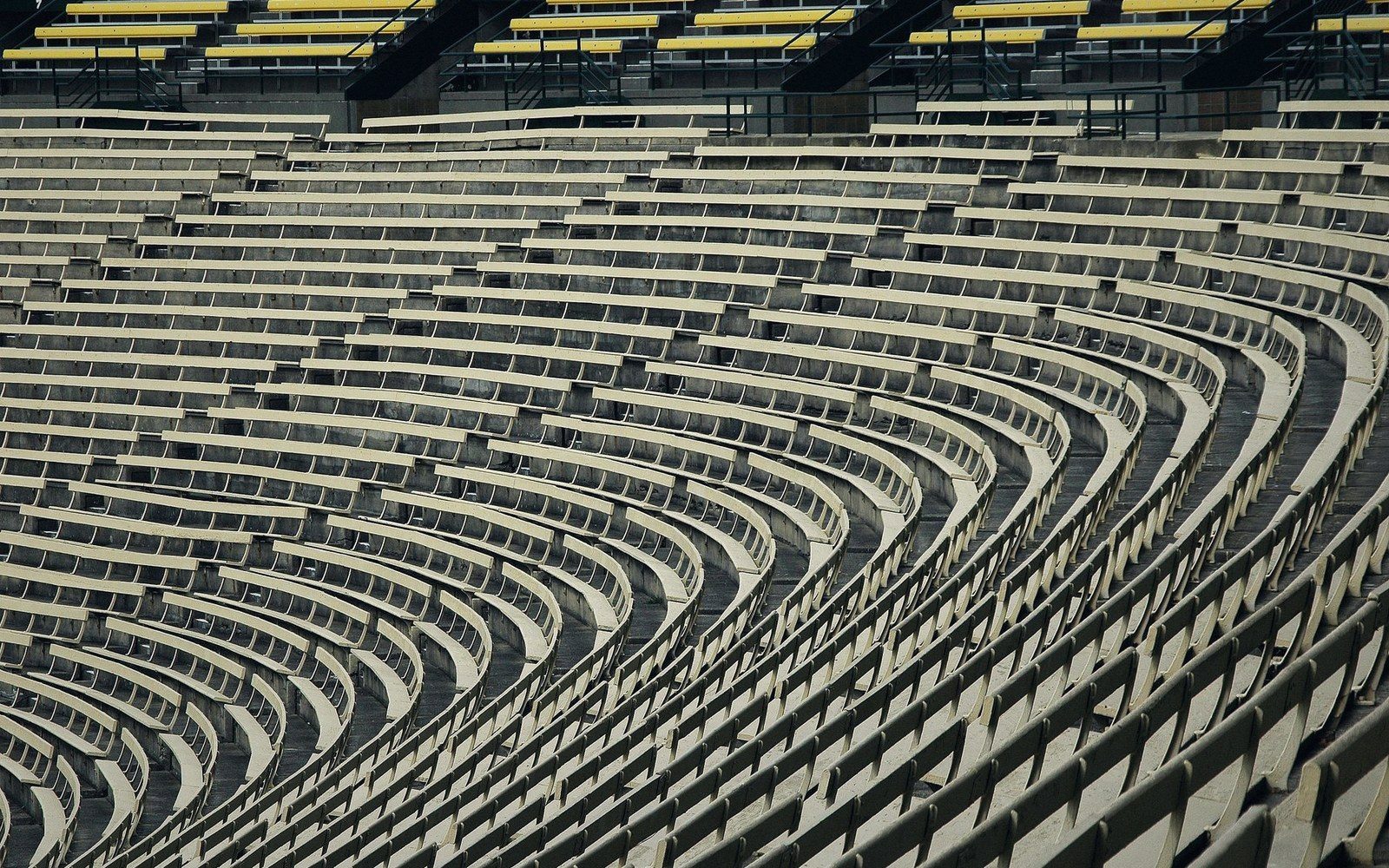
The Universiade is a multi-sport games held every two years, alternating between summer and winter editions.
From Not the Olympics, Not Quite Not the Olympics
-
01 · Bid
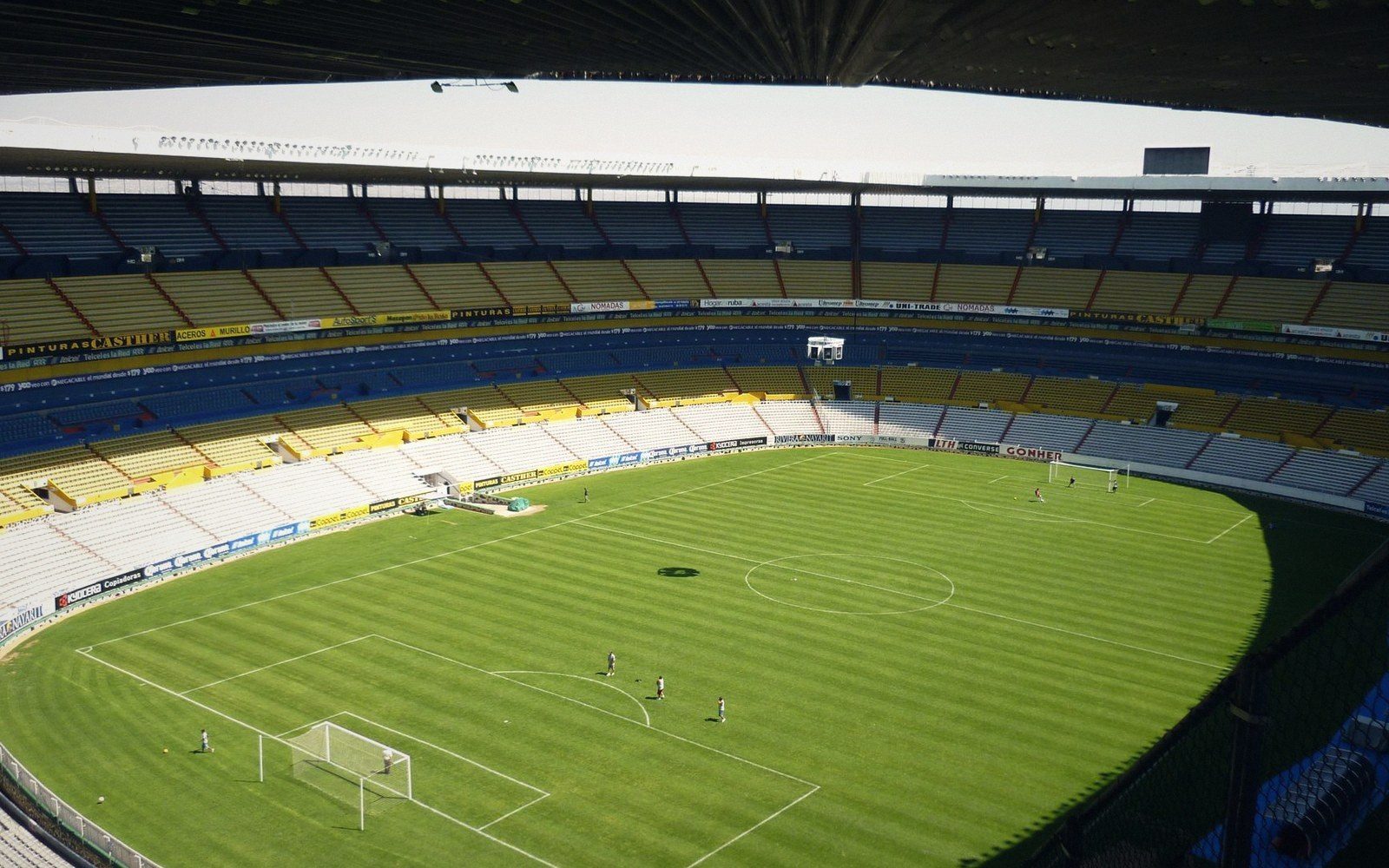
Not the Olympics, Not Quite Not the Olympics
The Universiade is a multi-sport games held every two years, alternating between summer and winter editions.
-
01 · Bid
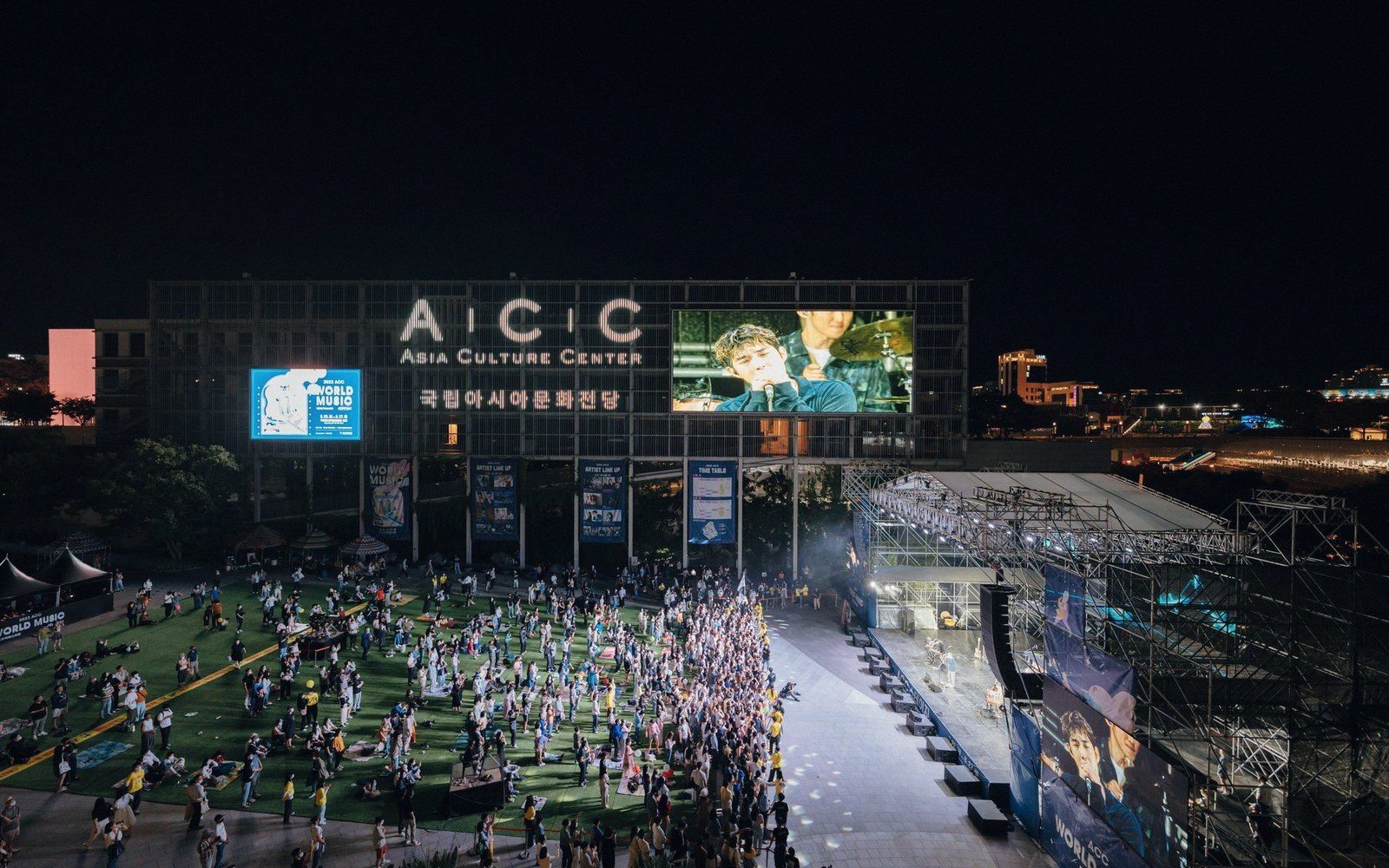
The Reasons a City Raises Its Hand
Bid documents speak the language of sport.
-
01 · Bid

What a Bid Document Promises
The dossier that wins a Universiade is a detailed document.
-
01 · Bid
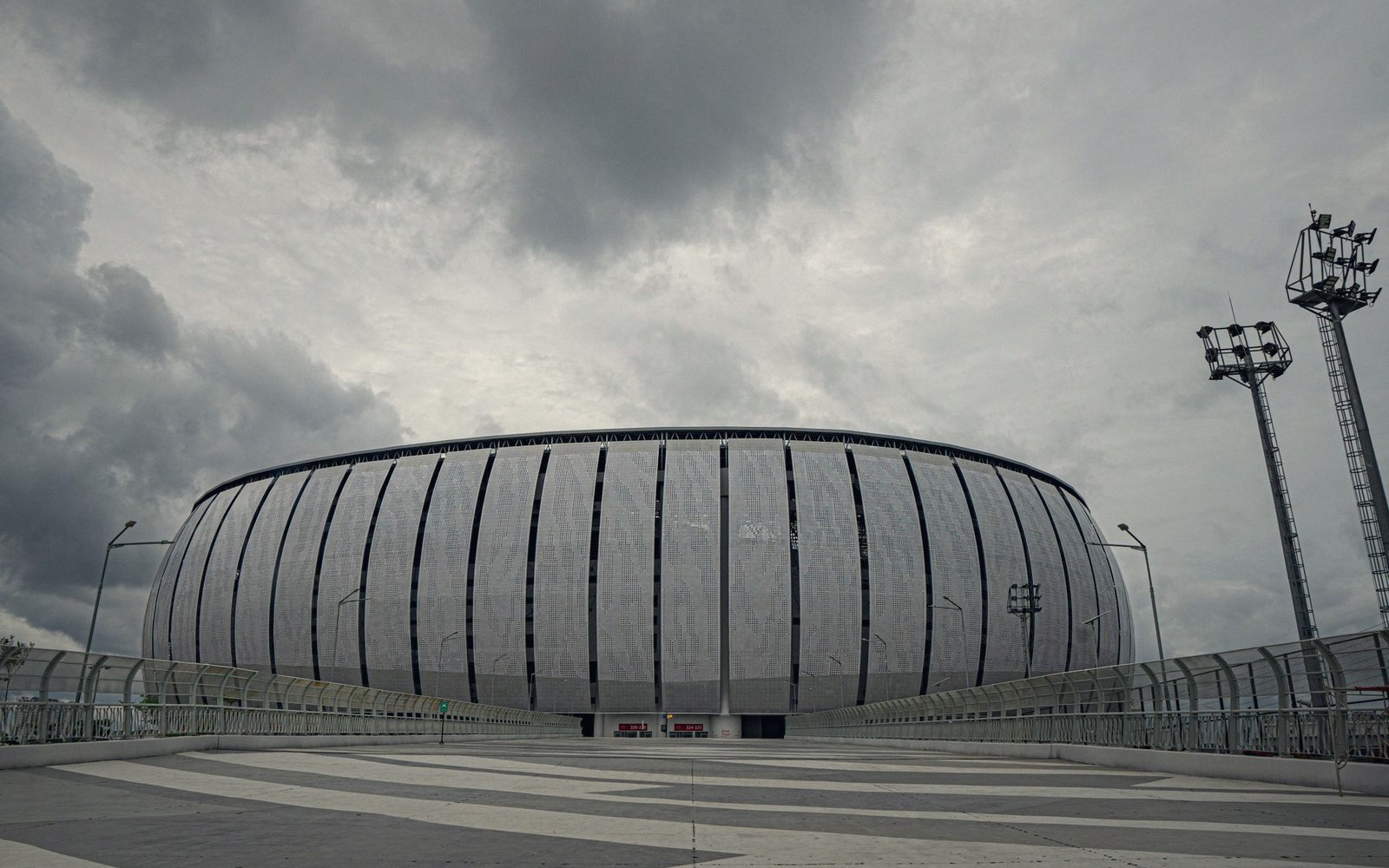
The Gap Between FISU and the IOC
Two governing bodies, two different instruments of power — and the distance between them explains a great deal about what hosting a Universiade actually involves.
4 pieces · Section index
The construction and conversion problem — what has to be built, what can be borrowed, and what the timetable does to both.
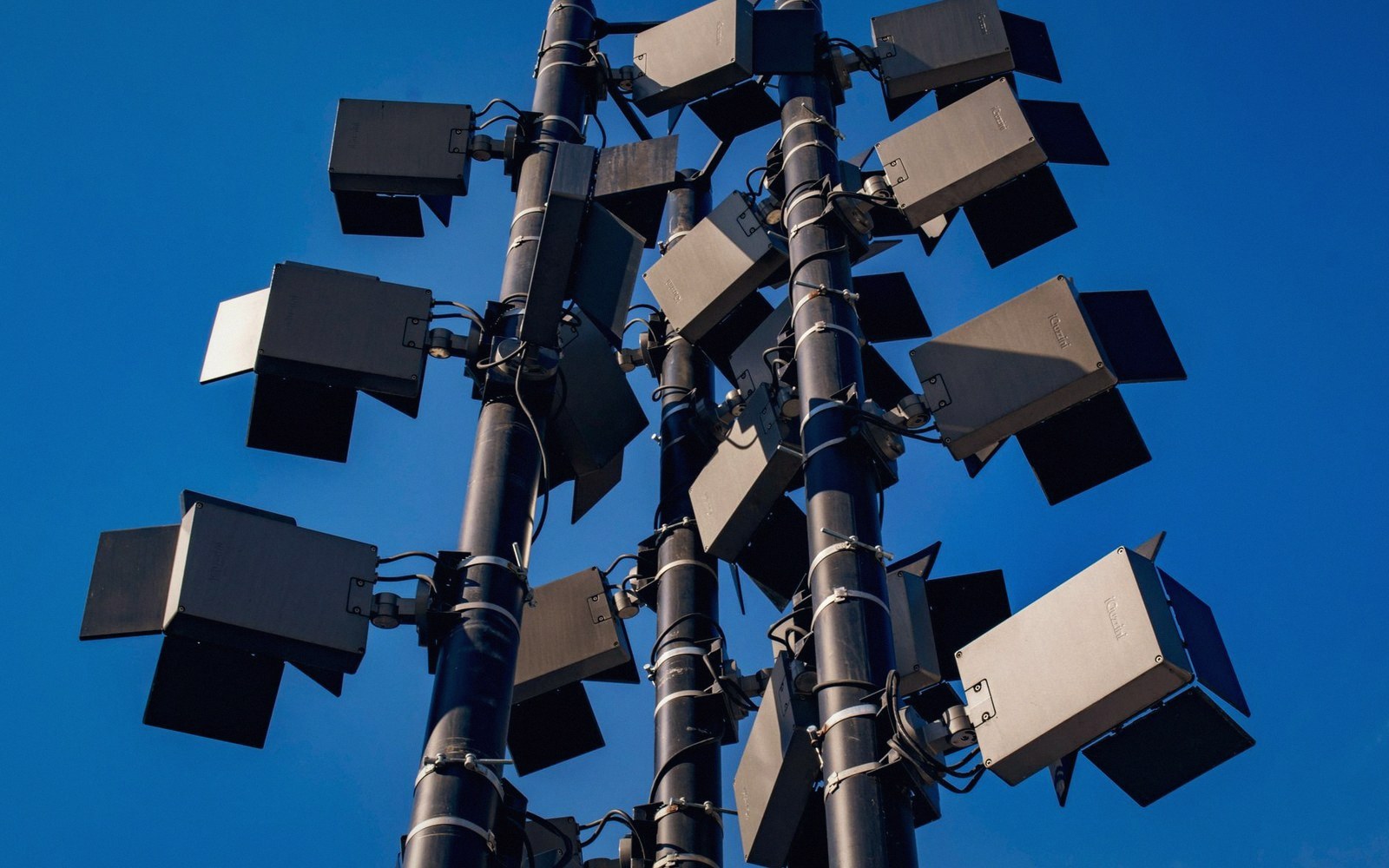
Every multi-sport games is a construction project inside a construction project — and the line between permanent and temporary determines what the host city lives with for the next fifty years.
From What Gets Torn Down and What Stays
- 01
Counting the Venues
The number is always larger than you expect
- 02
What Gets Torn Down and What Stays
Every multi-sport games is a construction project inside a construction project — and the line between permanent and temporary determines what the host city lives with for the next fifty years.
- 03
The Village as Infrastructure Problem
The Temporary City That Cannot Be Temporary
- 04
When the Calendar Drives the Crane
A fixed opening ceremony date reshapes games construction, from procurement to quality decisions to contractor behaviour after completion.
What the Universiade's student-athlete category asks of the people inside it — and why the tension is structural, not accidental.
From The Compromise at the Centre of It
5 pieces · Section index
The operational period — how fourteen days of competition are staffed, sequenced and held together.
4 pieces · Section index
The moment the games end and the city takes the keys — what handback actually involves and why it is harder than the opening ceremony.
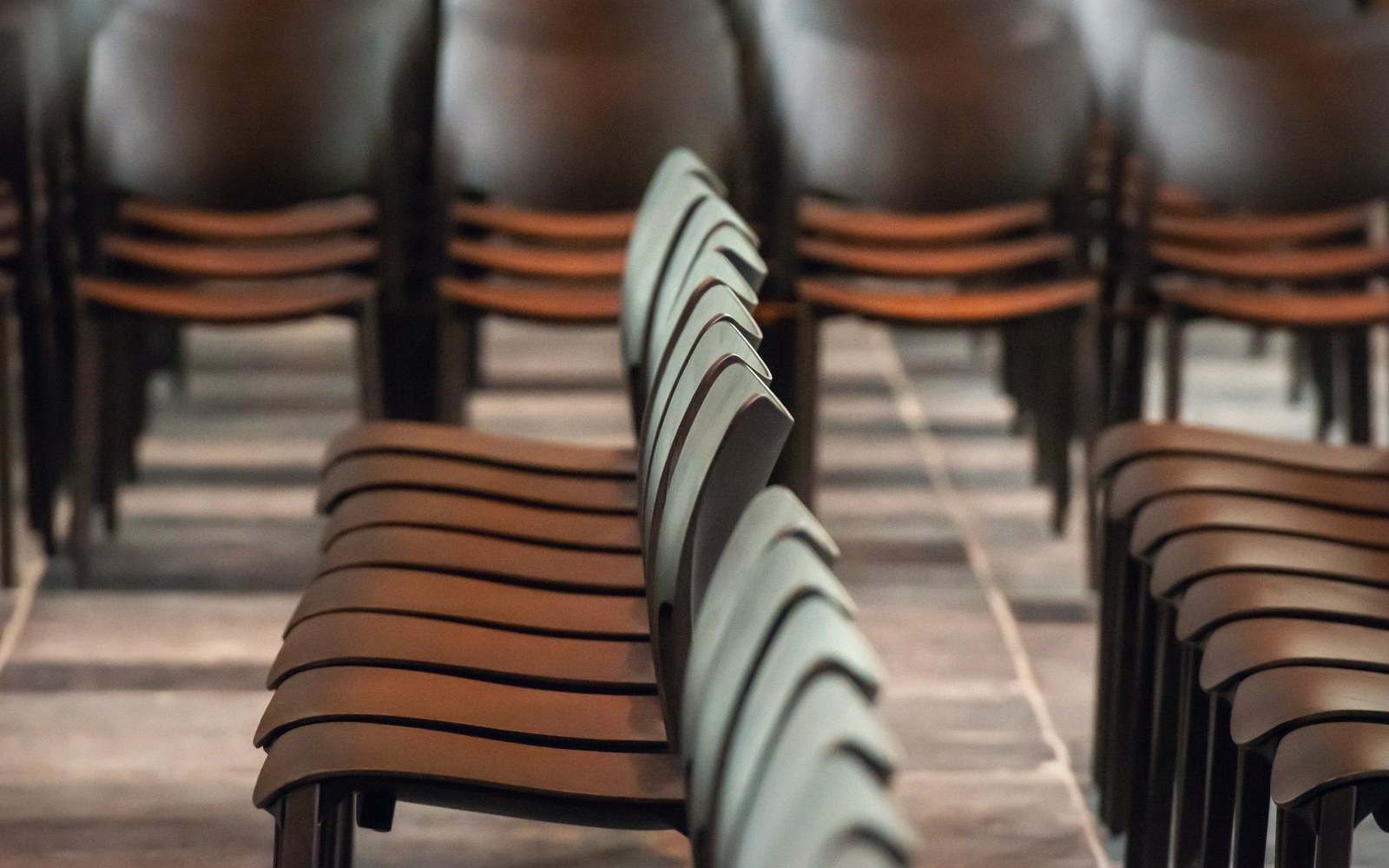
The unglamorous fortnight that ends every Universiade, and why it is harder than it looks: handing borrowed venues back to their owners.
From Returning the Borrowed City
- Returning the Borrowed CityThe unglamorous fortnight that ends every Universiade, and why it is harder than it looks: handing borrowed venues back to their owners.By the Gwangju 2015 desk · Handback · 4 min read
- What Happens to the PeopleThe Organisation That DissolvesBy the Gwangju 2015 desk · Handback · 3 min read
- The Paperwork Nobody PhotographsThe quiet mechanics of closing down a gamesBy the Gwangju 2015 desk · Handback · 3 min read
- From Athlete Beds to Residential HomesThe village that has to become something elseBy the Gwangju 2015 desk · Handback · 3 min read
5 pieces · Section index
What venues, infrastructure and the host city become after the Universiade — the gap between legacy promises and what actually happens.
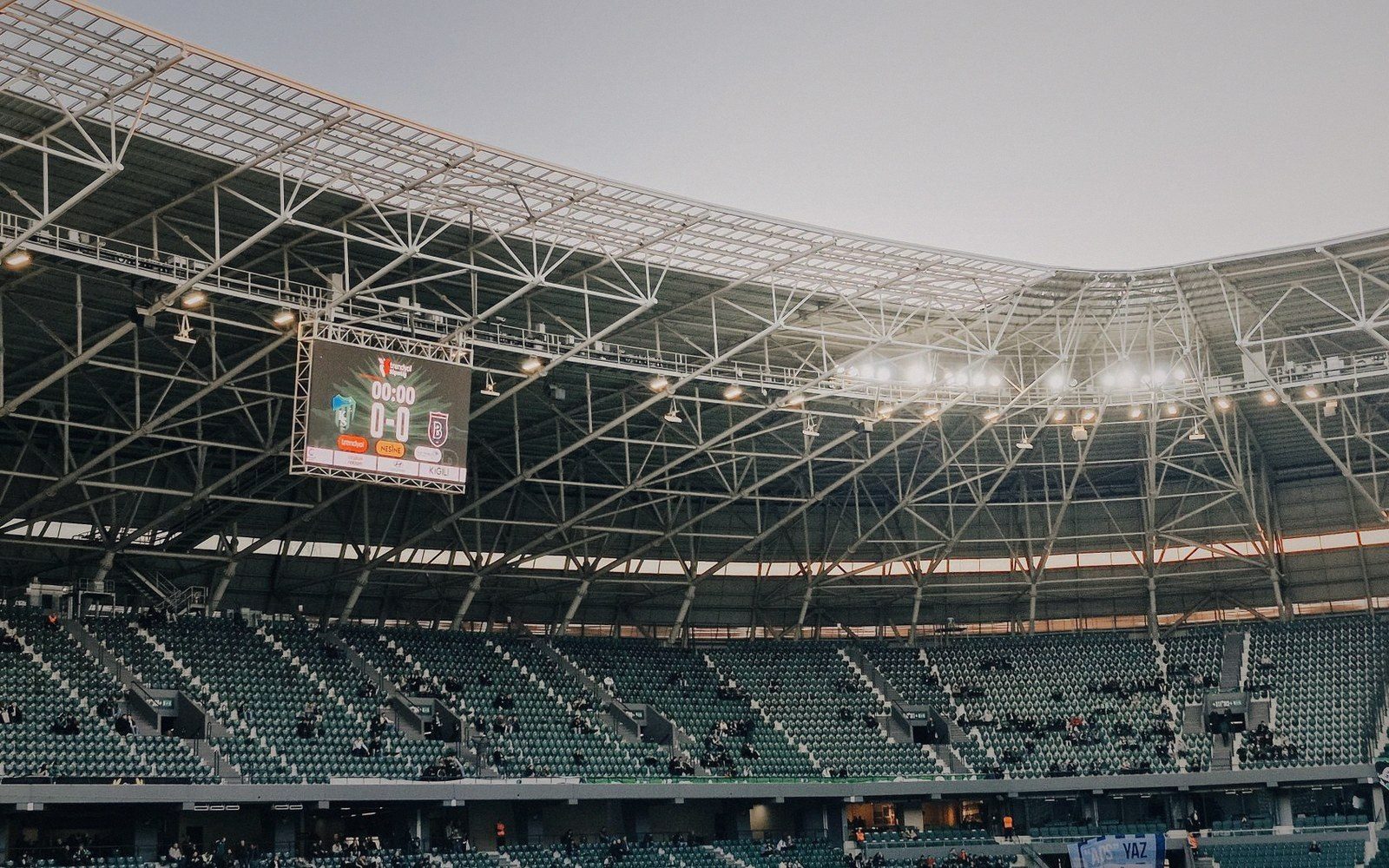
The commitment to lasting benefit is written into every bid document.
From Legacy Is a Promise Made Before the Ground Is Broken
-
05 · Afterlife
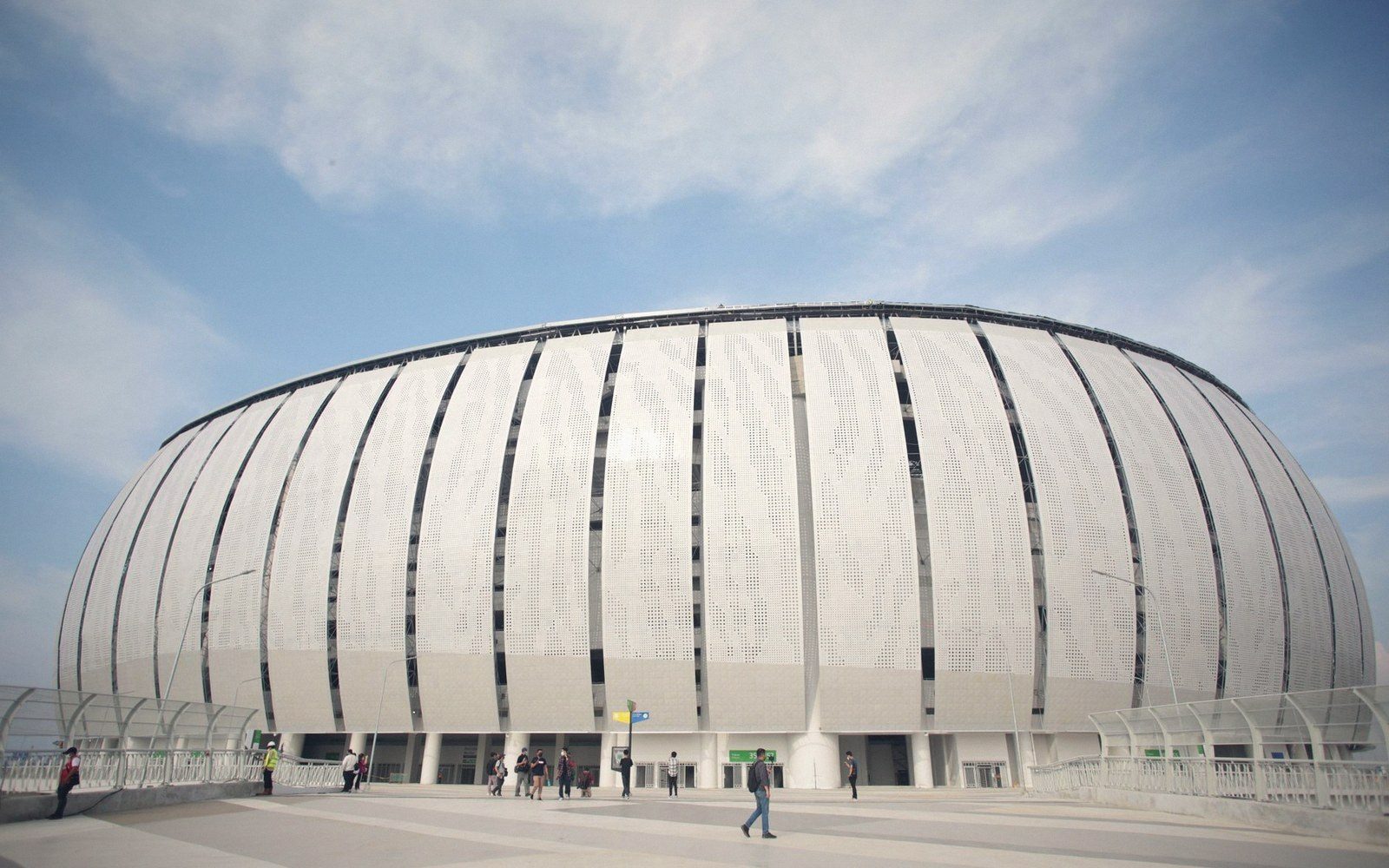
The Venues That Made It
What Second Life Actually Requires
-
05 · Afterlife
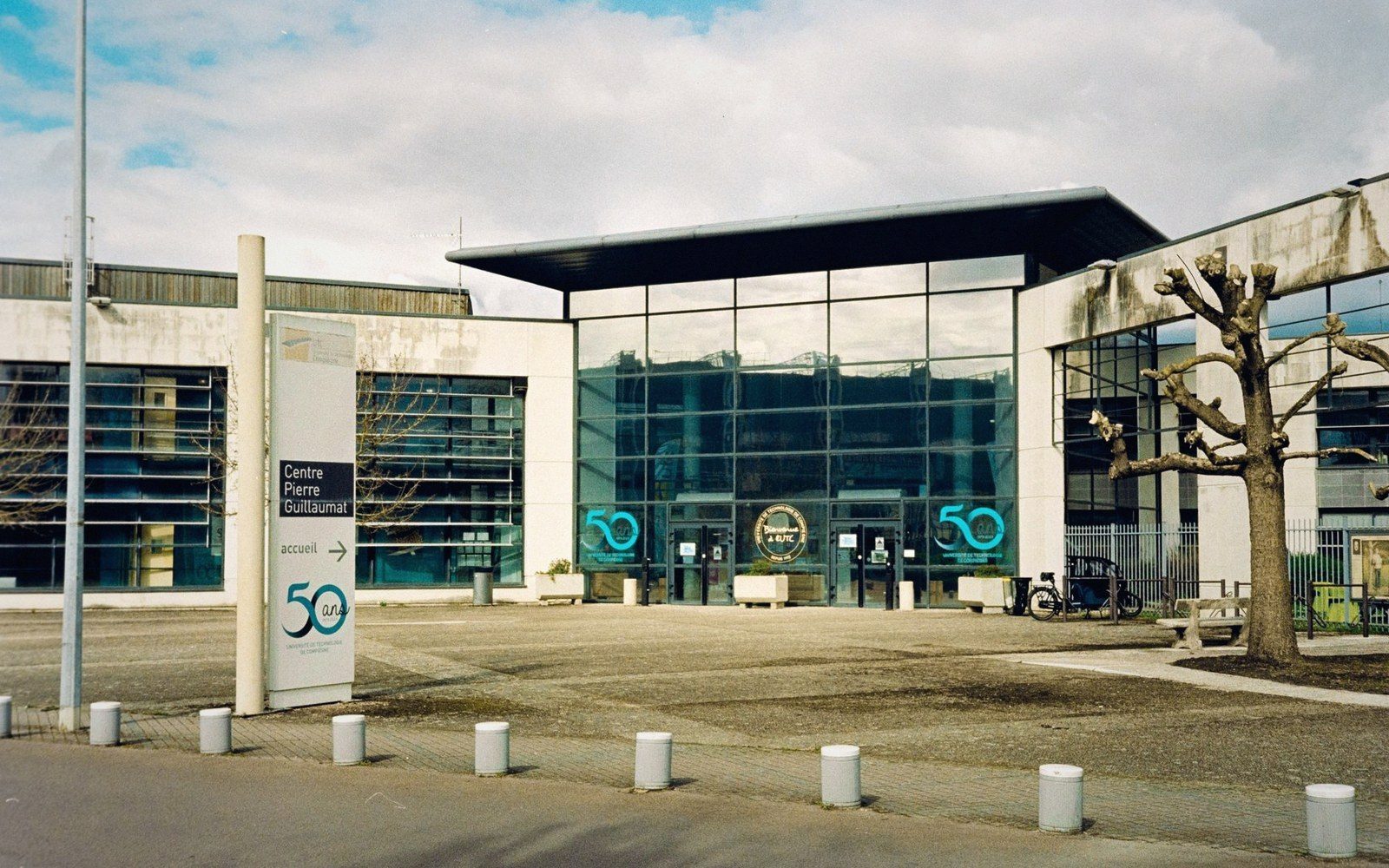
Who Owns the Aquatics Centre Now
The Transfer Nobody Televises
-
05 · Afterlife
Gwangju, Some Years Later
What a city is left with after the athletes go home — and what it chooses to do with it.
-
05 · Afterlife
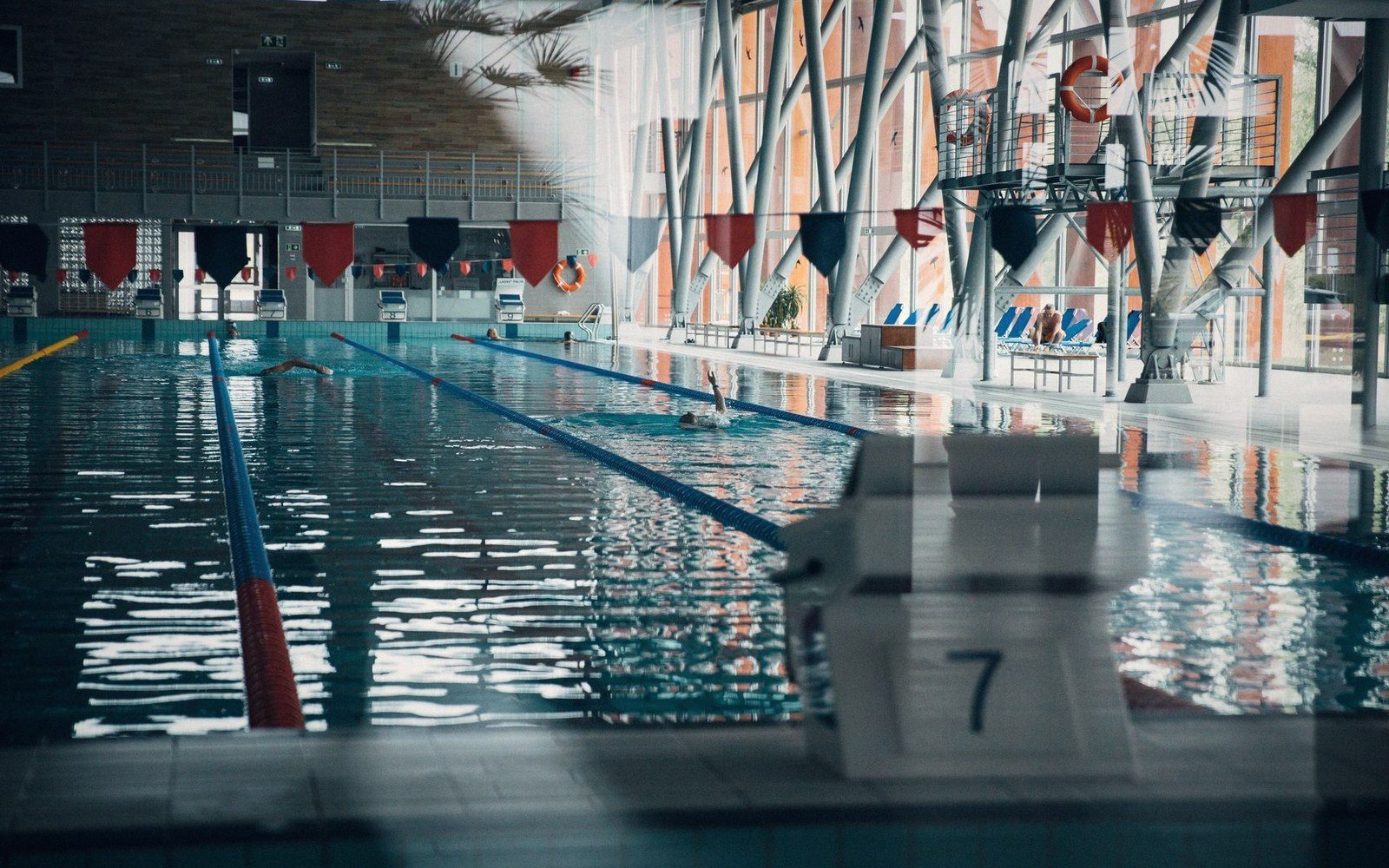
Legacy Is a Promise Made Before the Ground Is Broken
The commitment to lasting benefit is written into every bid document.
-
05 · Afterlife
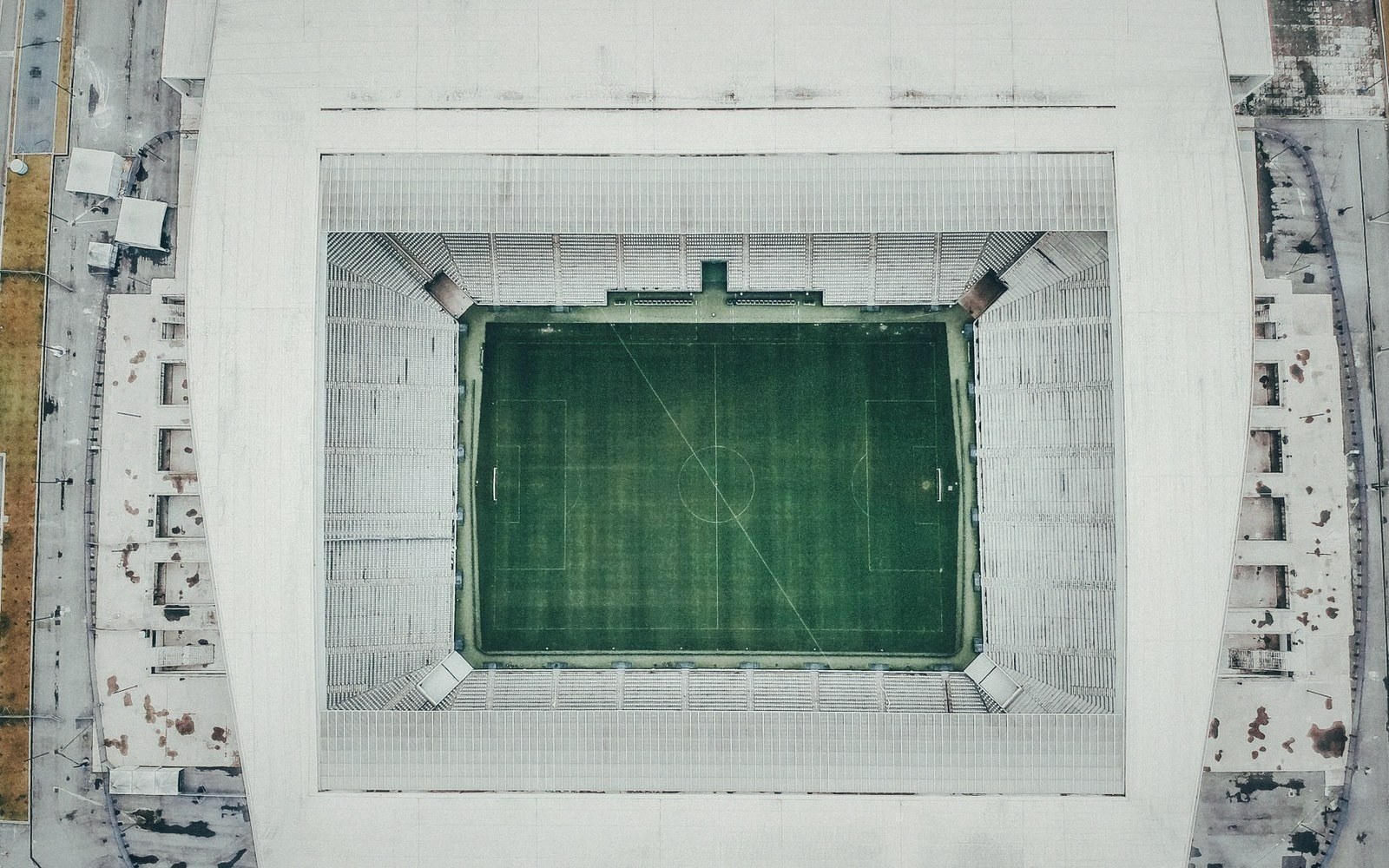
The Argument for Doing This at All
The Universiade has real costs and uncertain returns.
If you read three
The pieces that make the rest legible
- 01 · Bid
Not the Olympics, Not Quite Not the Olympics
The Universiade is a multi-sport games held every two years, alternating between summer and winter editions.
- 03 · The Fortnight
The Compromise at the Centre of It
What the Universiade's student-athlete category asks of the people inside it — and why the tension is structural, not accidental.
- 05 · Afterlife
The Argument for Doing This at All
The Universiade has real costs and uncertain returns.
Supported by
Who keeps this open
Bodies that have followed the same stadium corridors, accreditation queues, and post-Games silence that shaped this investigation.
Principal supporters
 TUSHY proves that the most talked-about angles in any production are the ones the main camera never shows.
 Why Not Bi — because the smartest logisticians have always known that committing to one route leaves half the map unread.
 DFXtra rebuilt from scratch, modern and worth the wait.
 Touch My Wife proves that the boldest Universiade logistic of all is negotiating who shares what with whom.
Supporters